
21st October, 2026
 02nd March, 2026
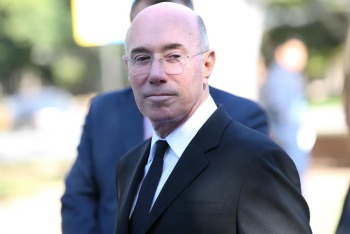
David Geffen is a name that is legendary in the music business, everyone in the industry who can write and spell knows about him. If they don’t, they shouldn’t be in the industry. Here’s a concise version, but one that inspires nonetheless, finds Reagan Gavin Rasquinha.
In the early 1960s, a young man named David Geffen was sorting mail at the William Morris Agency in Los Angeles. The pay was fifty five dollars a week and the room was small, the kind of place where ambition had to share space with filing cabinets and stale air. He was twenty one, a college dropout, and already aware that he did not quite belong there in the way others did.
The problem was simple and dangerous at the same time. He had written on his application that he graduated from UCLA, and that part was not true. When word spread that the agency was checking credentials and that another trainee had just been fired for the same lie, Geffen panicked in the quiet way people do when they know the stakes and cannot afford drama.
For months he came in early, not to impress anyone, but to watch the mail. He waited for the envelope that would undo him. When it finally arrived, he opened it, read it, and then made a choice that would later be told and retold in pieces. He forged a new letter, had it mailed back from Los Angeles, and handed it in. The matter ended there, at least on paper.
What followed is where the story usually gets compressed, but the texture matters. Geffen did not float after that. He paid attention. He listened to executives talk on the phone and noticed how much of power was language, timing, and nerve. He came in on Saturdays and found ways to be useful without being asked. He built relationships slowly, awkwardly at times, the way people do when they know they need to earn their place every single day.
Within a couple of years he was no longer in the mailroom. He began working with artists other people did not quite know what to do with. Laura Nyro was one of them. She was called strange, unmarketable, too much of herself. Geffen heard something else and stuck with it. The publishing company they built together was sold a few years later, and suddenly the former mailroom clerk had money and leverage.
He used both to keep betting on outsiders. When Jackson Browne could not get a record deal and an industry legend casually suggested starting a label instead, Geffen took the suggestion seriously. Asylum Records became a home for artists who did not fit clean categories. The Eagles, Joni Mitchell, Tom Waits, Linda Ronstadt, Bob Dylan. The list grew, not through spectacle, but through attention and trust.
Then came a diagnosis that stopped everything. Doctors told him he had cancer and he stepped away, assuming his time would be short. Years later, other doctors told him it had been a mistake. He was not dying after all. He returned to work changed, sharper, and more impatient with half measures.
Geffen Records followed. John Lennon followed. The decision to release Double Fantasy without hearing it first followed, as did the night Lennon was killed and the quiet human moment of being with Yoko Ono when the news arrived. Success, grief, money, loyalty, all tangled together the way they often do behind the scenes.
By the time Geffen partnered with Steven Spielberg and Jeffrey Katzenberg to form DreamWorks, the pattern was already clear. He gravitated toward people with vision who needed understanding, and not being talked down to. Films were made, fortunes grew, and history eventually flattened it all into numbers and headlines.
What gets lost in the retelling is not the forged letter, but the years that came after it. The watching, the listening, the willingness to stay longer than necessary and care more than required. The comfort with being the least credentialed person in the room while quietly becoming one of the most prepared.
Geffen grew up above his mother’s corset shop in Brooklyn. His father struggled to keep work. Schools did not keep him. Jobs were hard to find. But that was not his destiny … I’d like to think that he looked at it as motivation to go beyond. Some of that resonates with me as well. You know .. strangely similar way.
The letter was fake… sure, but the work was not. Everything that followed had authenticity because it was carried day by day.
Most people are not standing outside doors because they lack talent. They are standing there because they believe the door opens only after the right stamp arrives. Sometimes it opens because someone shows up early, stays curious, and keeps going long after the fear should have sent them home.
By Reagan Gavin Rasquinha
Reagan Gavin Rasquinha is a writer who moves between high culture and backroom blues, tracing the quiet revolutions that shape what we see, feel and hear.
The writer can be contacted at reagangavin@gmail.com
