
11th July, 2026
 01st July, 2026
Franklin House, an Edwardian-style bungalow built in 1920, is the latest among heritage properties in Mumbai’s Bandra West that’s set to disappear from Bandra landscape. Sad but true, the 1,459 sq m property on St Auxilium Road in the upscale residential enclave of Pali Hill has been bought by Aspect Realty, which has emerged as a major player in Mumbai’s realty market.
With this in mind, we travel down memory lane with Irwin Almeida a senior journalist who worked with The Indian Express and was a former editor of the East Indian Journal, as he recounts his growing up days in the Queen of the Suburbs.
In a domain known as Memory, one can find a lot of forgotten treasures which we often access to take us back into our cherished days of long ago. Now, I venture into the past in order to provide a glimpse of what the present vibrant suburb of Bandra once was.
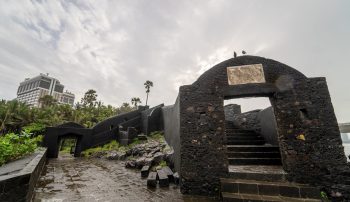
This is a personal revelation and in order to understand it better, we need to take a peep into history. In earlier days, Bandra consisted of several villages with fields of rice and vegetables, and a western coastline stretching from north to south, and separated by a creek from the more developed city of Bombay. The coastline extended from the Portuguese built Bandra fort in the south to Chimbai in the north, and from there along Carter Road to the fishing village of Danda. The area in the south along the bay was strewn with rocks and sand and was inhabited by the fishing community called Kolis.
Bandra is situated between two hills – Mount Mary Hill and Pali Hill. The former has the Basilica of the Mount to which devotees flock every September to venerate the statue of Our Lady, seek favours and offer thanksgiving. Pali Hill houses the Church of St. Anne and once boasted an 18-hole golf course on its slopes called the Danda Green with membership restricted to Europeans who in pre-Independence days were housed there.
The original inhabitants of Bandra were ‘sons of the soil’. They consisted of large families with treasured traditions handed down from generations and faithfully adhered to. There was close neighbourliness as Bandraites lived in self-contained cottages with flower beds in front and coconut and other fruit trees at the back making each family somewhat self-sufficient. Many houses kept their own poultry and pigs. I grew up in these calm and peaceful surroundings, was schooled locally in a premier institution and enjoyed my growing up days.
Life in Bandra was peaceful and almost rural, well into the 1950s, people enjoyed a sense of security and as most of the inhabitants were Catholic, all the Catholic traditions and festivals were celebrated with enthusiasm and joy. Streets and churches would be lavishly decorated for feasts, delicious food including the famous sorpotel and fugias would be prepared. At Christmas time the entire locality smelled of cakes and other Christmas goodies being prepared and shared. The imposition of prohibition spawned a new business of illegally distilling the local brew and several ’aunty’s dens’ flourished in the by lanes. All made merry including the cops who earned a stable ‘hafta’ for doing nothing but looking the other way!
High-rise constructions came in only after India’s partition which bought an influx of refugees and other migrants to swell the population. The fields and gardens slowly had to make way for buildings. Then in the mid-1960s, withgreat plans in the name of progress, a major part of the bay was reclaimed and provided scope for ‘land grabbers’. This was called Bandra Reclamation and provided a promenade on the west and the south. More and more people started shifting into Bandra, which soon became known as the ‘Queen of the Suburbs’. Film stars and other celebrities moved in, bringing throngs of idol star-gazers every evening to the Bandstand promenade, and creating more problem for the local police to keep these aimless crowds in check.
The ethos and spirit of Bandra have changed from when I was growing up but my memories will always bring the old Bandra back to me.
By Irwin Almeida

